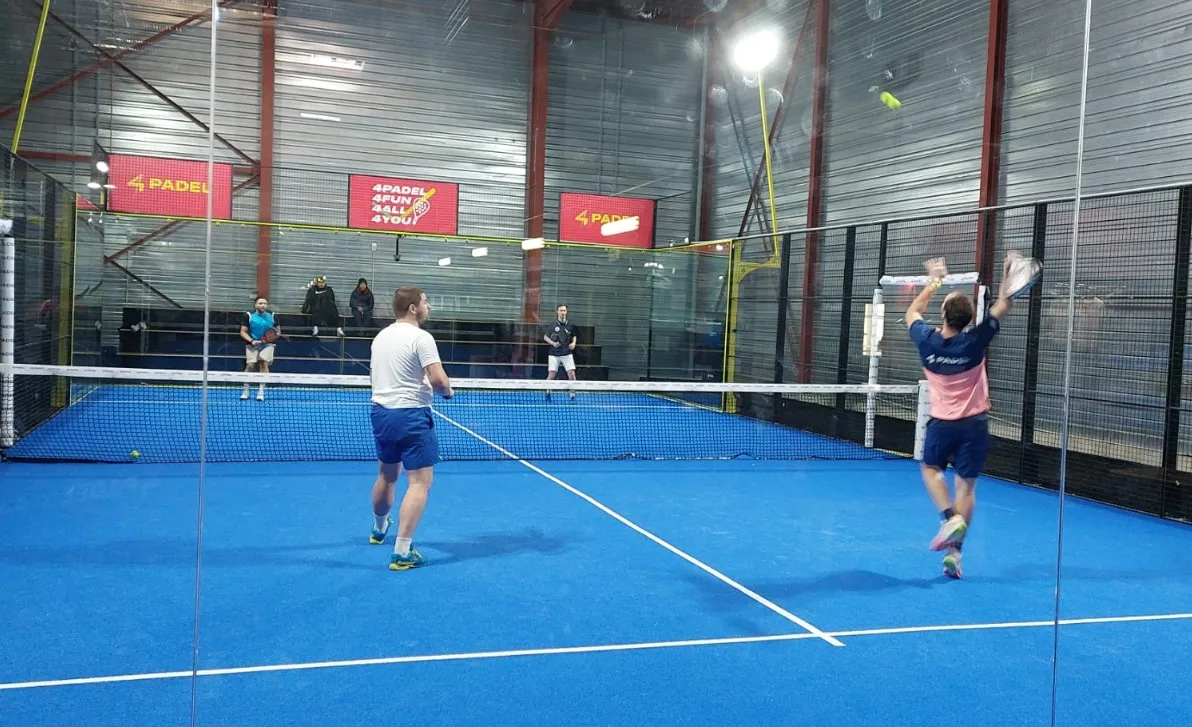
Have you already been playing padel for a few months, or even a few years ?
Even if you think you know the basics of this sport, it helps to run through the fundamentals worth keeping in mind, the strategies for building your points, and a few mistakes to avoid.
1. Win the Net… Then Hold It
Goal number one: take the net, because that’s where 80% of points are won.
To do that, move forward as soon as you can do it safely.
Watch out: many players coming from tennis tend to ‘charge the net blind’, meaning they close in on a poor lob or an easy ball that turns them into a sitting duck for the opposing volleyer.
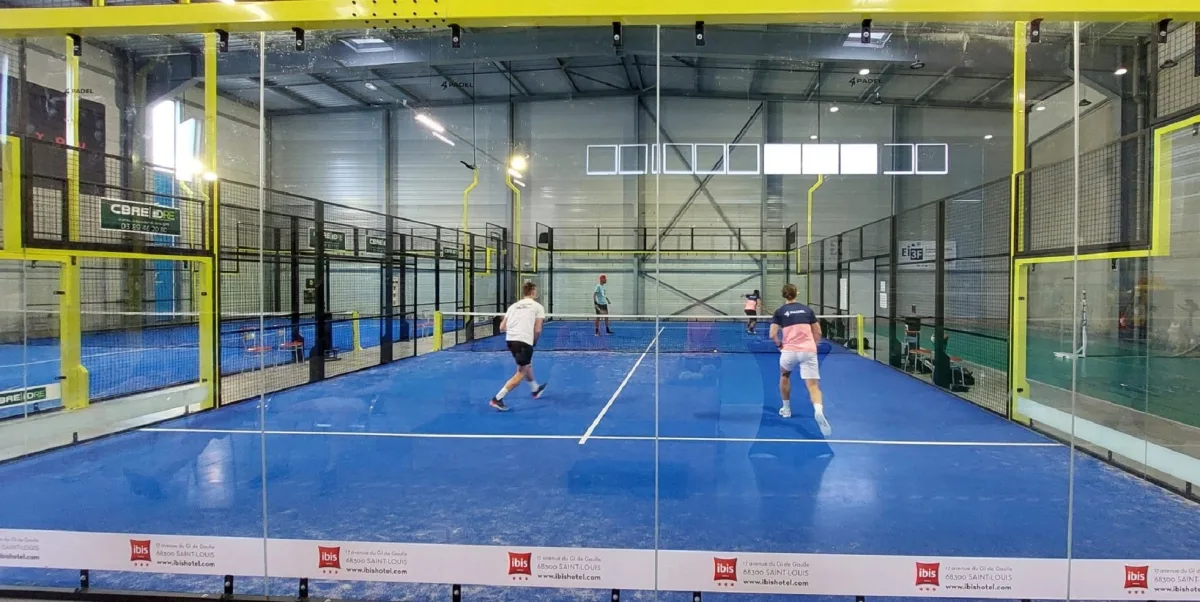
The right time to approach the net is usually:
- after a good lob
- a short ball played at the volleyers’ feet (called a ‘chiquita’ in Spanish)
- a passing shot that has broken through the opponents’ defence.
Once your team is at the net, stay solid, cover the angles and build the point patiently, playing plenty of balls through the middle.
2. Build the Point Patiently
In padel, you take your time: use the glass to buy yourself space, defend, and reset to take back the offensive.
Rather than forcing a rushed, risky winner, you build the point until you get an easy ball.
Don’t hesitate to play one more shot if it raises your odds of closing the point without taking an unnecessary risk.
The key to padel is consistency, placing your balls well to force your opponent into giving you a ball you can finish.
3. Communicate Constantly
Padel is played by 2, as a pair, which means good communication is essential:
➡️Call ‘mine!’ or ‘yours!’ early. This matters most in the ‘divorce zone’, between the two players.
➡️Call the ‘out’ balls, warn about nasty spin on a lob, and so on!
➡️Call out the opponents’ movements when your partner has their back to the net: ‘both up (at the net)’, ‘X is back’, ‘tight’ (at the net), ‘mid-court’, and so on.
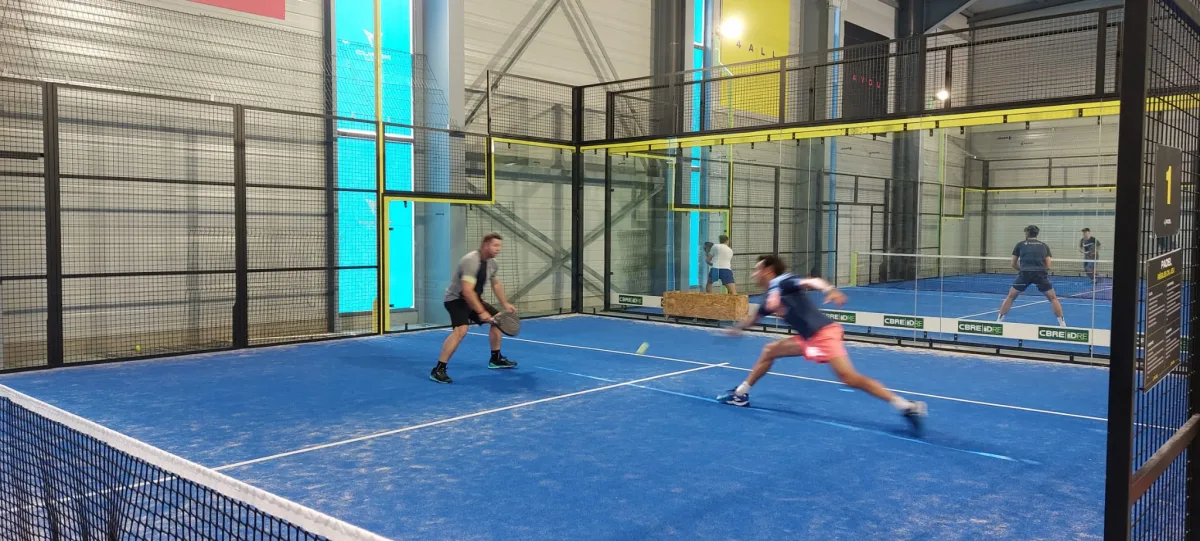
It’s important to agree with your partner beforehand so you speak the same language and understand each other.
Good communication avoids collisions… and wins you points more easily.
4. Move Together
The pair should move as one unit, whether forward, back or sideways:
⬆️ Together forward to take the net
⬇️Together backward after a good lob from the opponents
⬅️➡️ Slide together to the right or to the left
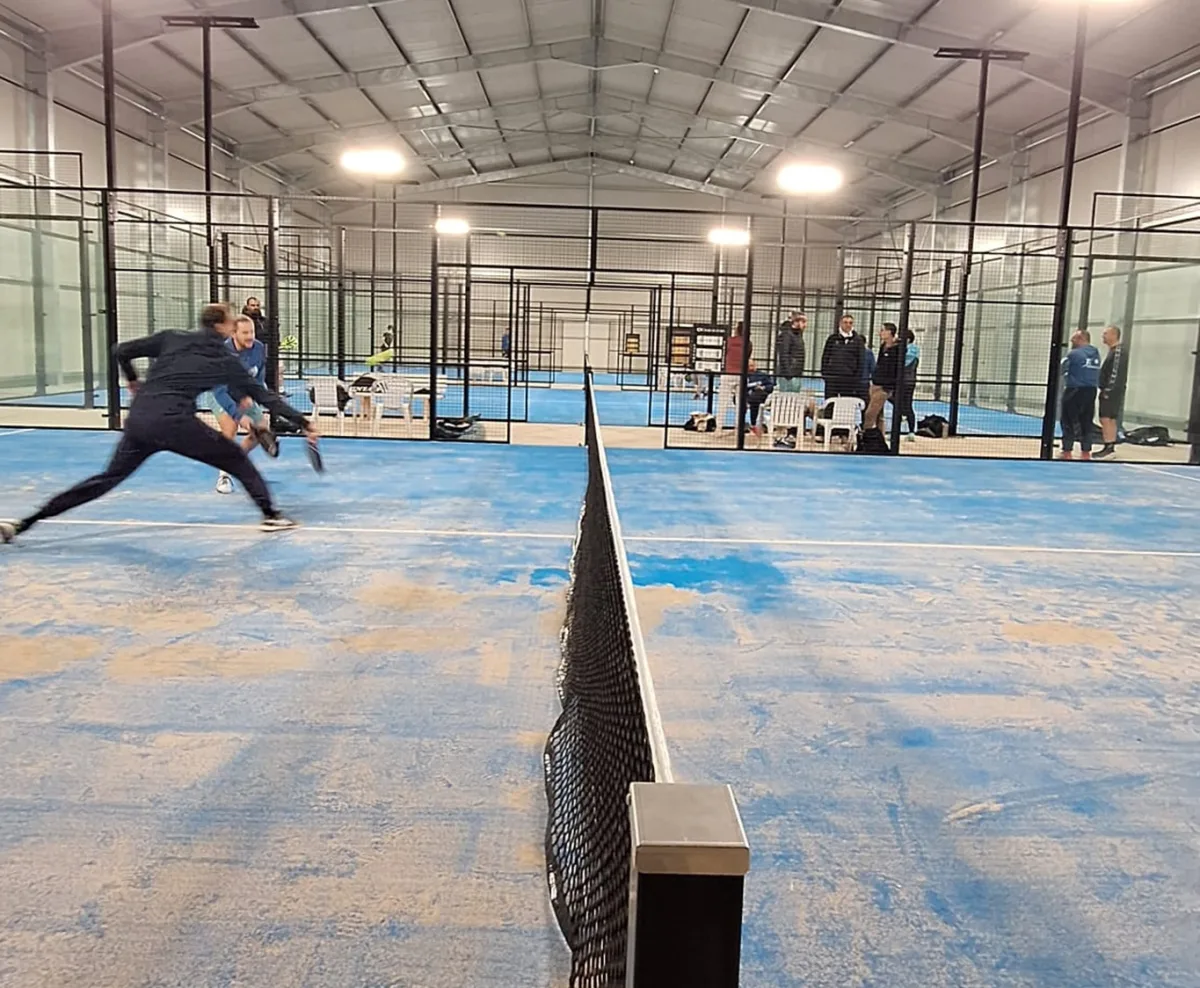
Barring exceptions, never have one player at the net while the other is at the back: it’s the classic tactical mistake that rips huge gaps in your defence.
5. Know When to Speed Up and Slow Down
Many players tend to play fast, even too fast.
The downside of a hard-hit ball is that it bounces off the glass and can hand your opponents an easy counter-attack.
The ideal is to alternate slow and fast play, saving the pace for the moment you land the killer blow.
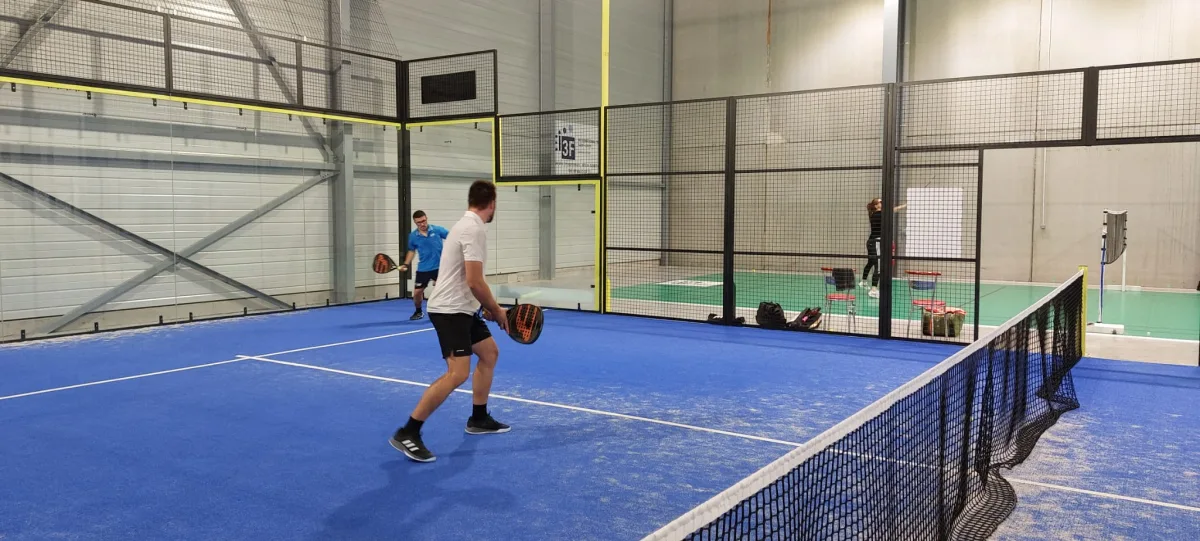
The keys to slow play :
➡️Aim at the feet or the middle of the court to create doubt. Once the gap opens up, a slow ball to the side will die on the fence or low on the glass.⬅️
➡️A slow, dipping ball forces the opposing volleyer to hit from below the net
➡️Use lobs often to catch your breath and regain the advantage.
➡️Vary height, pace and angles to unsettle the pair opposite.
6. Use the Glass to Defend Better
On defence, the glass is your ally, not a trap.
When you’re defending, the glass slows the ball down : learn to read and anticipate its path off the wall, and you can get into the right position to defend with less risk, or even counter-attack.
Our tips :
➡️Sometimes let the ball hit the glass to buy time and control it better, since the bounce slows the ball down and lets you reset your position.
➡️Knowing whether to hit the ball before or after the glass is a huge advantage.
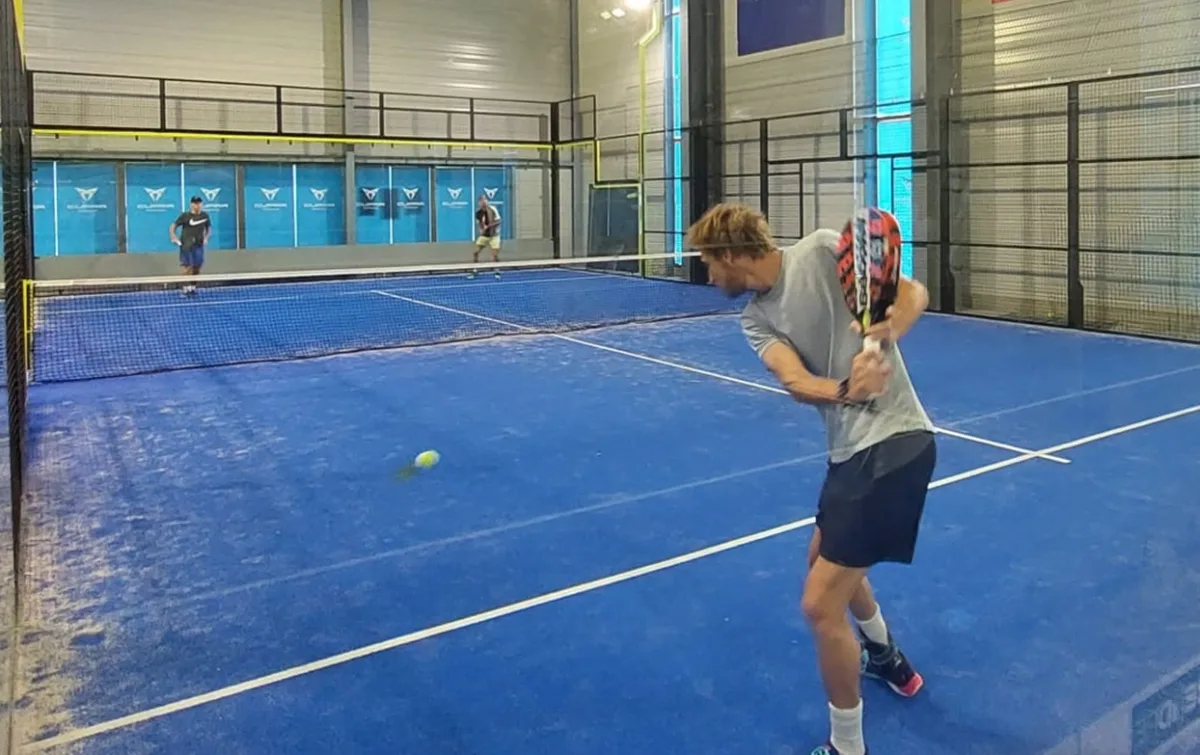
➡️If you choose to play after the glass on a medium-paced ball, start by stepping back, then move forward at the same pace as the ball. This lets you time your shot for the ideal moment.
7. The Golden Rule: Force the Opponent’s Error
In padel, even at professional level (especially in women’s matches, where power counts for less), you often win more points from your opponents’ mistakes than from your own winners.
So play one more (well-placed) ball, build your point with patience… and let the opponent make the mistake.
Improving at Padel: Simple… and Hard!
The 7 points we’ve just covered are essential foundations for improving at padel.
They give you a solid base, but they obviously don’t replace what really makes the difference:
- regular practice
- match awareness
- the experience you build together over matches.
The more you play, the more you’ll learn to read trajectories, anticipate patterns of play, communicate instinctively with your partner, and pick the right shot at the right moment.
Padel is a sport of constant adjustments: every rally, every opponent and every situation gives you a chance to sharpen your strategy.
So keep these principles in mind, keep playing, keep experimenting… and let your game sense build naturally on court.